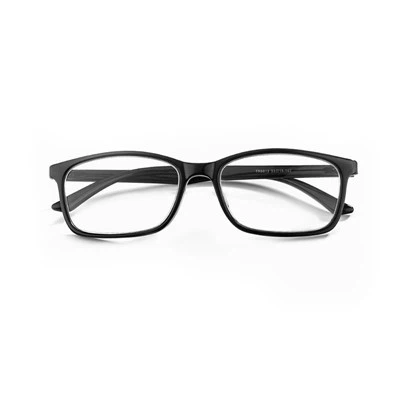
Vintage plastic sunglasses have always had a unique allure in the fashion world. With their bold colors, classic shapes, and that retro vibe, they've been making a comeback in recent years. But one question that often pops up when it comes to choosing between vintage plastic sunglasses and acetate sunglasses is, "Are vintage plastic sunglasses heavier than acetate sunglasses?" As a supplier of Vintage Plastic Sunglasses, I've dealt with a ton of inquiries about this, so let's dive right into it.
First off, let's understand what we're talking about here. Vintage plastic sunglasses are typically made from materials like cellulose acetate butyrate (CAB) or early forms of other plastics that were popular back in the day. These were the go - to materials for eyewear from the mid - 20th century. They give the sunglasses that distinct look and feel that many fashion enthusiasts adore.
On the other hand, acetate sunglasses are made from cellulose acetate, which is a more modern and refined form of the plastic - like material. It's been improved over the years to have better optical properties, flexibility, and durability. It's widely used in the eyewear industry today.
Now, to answer the question of weight. In general, vintage plastic sunglasses can be heavier than acetate sunglasses. The older plastics used in vintage sunglasses often had different chemical compositions and manufacturing processes. The early plastics were sometimes denser, which means more mass in the same volume of the frame. For example, the CAB used in vintage frames might have a higher density compared to the cellulose acetate used in modern acetate frames.


This difference in density can result in a noticeable weight difference. If you've ever tried on a pair of vintage plastic sunglasses and then a pair of acetate ones right after, you might feel that the vintage pair sits a bit more heavily on your nose and ears. The weight can also vary depending on the size and design of the sunglasses. Larger frames, whether vintage plastic or acetate, are going to be heavier than smaller ones. But all else being equal, the vintage plastic frames are likely to tip the scales a bit more.
However, there are exceptions to this rule. Some modern acetate frames are designed with thick or chunky styles that can add extra weight. And there are also vintage plastic sunglasses that were made with thinner frames to save on materials or for a more delicate look, which might end up being lighter. So, it's not a hard - and - fast rule, but it's a good general guideline.
Another factor to consider is the weight distribution. Vintage plastic sunglasses might feel heavier because the weight is concentrated in certain areas. For instance, the temples (the arms of the glasses) or the front frame might be thicker and more rigid, which can make the weight more noticeable on your face. Acetate sunglasses, on the other hand, are often designed with a more balanced weight distribution. The material can be molded more precisely, allowing for a better spread of the weight across the frame.
Now, let's talk about the pros and cons of the weight difference. The extra weight of vintage plastic sunglasses can be a pro for some people. It gives a sense of solidity and durability. You know you're holding a well - made piece of eyewear that can withstand a bit of wear and tear. It can also add to the overall aesthetic of the sunglasses, making them feel more substantial and luxurious.
But for others, the added weight can be a con. It might cause discomfort, especially if you're wearing the sunglasses for long periods. The pressure on your nose and ears can lead to soreness, and it can even give you a headache. Acetate sunglasses, with their lighter weight and better weight distribution, are often more comfortable for extended use.
As a supplier of Vintage Plastic Sunglasses, I know that there's a huge market for both types of sunglasses. For those who love the look and feel of the past, vintage plastic sunglasses are a no - brainer. You can find some amazing styles, like the oversized cat - eye frames or the classic wayfarer shapes. And if you're not too bothered by the extra weight, then the unique charm of vintage plastic is definitely worth it.
If you're more into comfort and a more modern look, acetate sunglasses are a great option. They come in a wide range of colors and styles, from subtle and sophisticated to bold and trendy. You can check out our Coloured Plastic Sunglasses and Rimless Plastic Sunglasses for some great acetate options.
In conclusion, while vintage plastic sunglasses are generally heavier than acetate sunglasses, there are many factors at play. The weight difference can affect your comfort and your overall experience with the sunglasses. Whether you choose vintage plastic for its classic appeal or acetate for its comfort, the most important thing is that you love how you look and feel in them.
If you're interested in purchasing our high - quality vintage plastic sunglasses or any of our other eyewear products, we'd love to have a chat with you about your needs. We can discuss styles, colors, and quantities, and work out the best deal for you. Just reach out, and let's start the conversation!
References
- Eyewear Industry Reports on Material Properties
- Interviews with Eyewear Designers and Manufacturers