Do metal sunglasses cause skin allergies? This is a question that many people have when considering purchasing metal sunglasses. As a metal sunglasses supplier, I've encountered this concern numerous times from customers. In this blog, I'll delve into the scientific aspects of whether metal sunglasses can lead to skin allergies, the factors involved, and what we're doing as a supplier to address these concerns.
The Science Behind Metal Allergies
Metal allergies are quite common, and they occur when the immune system reacts to certain metals. The most common metal allergen is nickel. When the skin comes into contact with nickel, the immune system may recognize it as a foreign invader and launch an immune response. This response can manifest as redness, itching, swelling, and in severe cases, blisters.
Nickel is often used in the manufacturing of metal sunglasses due to its strength, durability, and cost - effectiveness. However, not all metal sunglasses contain nickel, and even those that do may have different levels of nickel exposure. The risk of developing a nickel allergy depends on several factors, including the individual's genetic predisposition, the duration and frequency of contact with the metal, and the amount of nickel released from the metal.
Factors Affecting the Risk of Allergic Reactions
1. Metal Composition
As mentioned earlier, the presence of nickel is a major factor. Some metal sunglasses are made from high - quality alloys that have a low nickel content or are nickel - free. For example, titanium is a popular alternative to nickel - containing metals. Titanium is hypoallergenic, lightweight, and corrosion - resistant. Our Thin Metal Sunglasses are often made from titanium, which significantly reduces the risk of allergic reactions.
2. Surface Coating
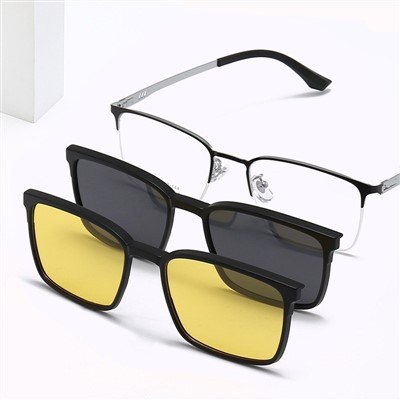
The surface coating of metal sunglasses can also play a role in preventing allergic reactions. A good quality coating can act as a barrier between the skin and the metal, reducing the amount of metal that comes into direct contact with the skin. For instance, some of our Metal Frame Clip On Sunglasses have a special anti - allergenic coating that helps protect the wearer's skin.
3. Skin Sensitivity
Individuals with sensitive skin are more likely to develop an allergic reaction to metal sunglasses. People with a history of skin allergies or eczema are at a higher risk. However, even those with normal skin can develop an allergy over time if they are exposed to high levels of nickel or other allergenic metals.


Our Approach as a Supplier
At our company, we understand the concerns of our customers regarding metal allergies. That's why we take several steps to ensure the safety and comfort of our products.
1. Material Selection
We carefully select the materials used in our metal sunglasses. We source high - quality metals and alloys that have low nickel content or are nickel - free. Our Rimless Metal Sunglasses are often made from stainless steel or titanium, which are known for their hypoallergenic properties.
2. Quality Control
We have a strict quality control process in place to ensure that our products meet the highest standards. We test our metal sunglasses for nickel release to ensure that they comply with international safety regulations. This helps us identify and eliminate any products that may pose a risk of allergic reactions.
3. Customer Education
We believe in educating our customers about the potential risks of metal allergies and how to choose the right sunglasses for their needs. We provide detailed product information on our website, including the materials used, the presence of nickel, and any special features that may reduce the risk of allergies.
How to Minimize the Risk of Allergic Reactions
If you're concerned about developing a skin allergy from metal sunglasses, here are some tips to minimize the risk:
1. Choose Hypoallergenic Materials
Opt for sunglasses made from hypoallergenic materials such as titanium or stainless steel. These materials are less likely to cause allergic reactions.
2. Check the Coating
Look for sunglasses with a good quality coating that can act as a barrier between your skin and the metal.
3. Limit Exposure
If you have sensitive skin, try to limit the amount of time you wear metal sunglasses. You can also consider wearing sunglasses with non - metal frames, such as plastic or acetate.
Conclusion
In conclusion, while metal sunglasses can potentially cause skin allergies, the risk can be significantly reduced through proper material selection, quality control, and customer education. As a metal sunglasses supplier, we are committed to providing our customers with safe and comfortable products. We believe that by taking these steps, we can help our customers enjoy the benefits of metal sunglasses without the worry of allergic reactions.
If you're interested in purchasing high - quality metal sunglasses that are designed to minimize the risk of allergies, we invite you to contact us for a procurement discussion. We're here to answer any questions you may have and help you find the perfect sunglasses for your needs.
References
- American Academy of Dermatology. (2023). Nickel allergy.
- European Union Nickel Directive. (2019). Regulation on the restriction of the use of nickel in products.
- World Health Organization. (2022). Guidelines on metal exposure and health.