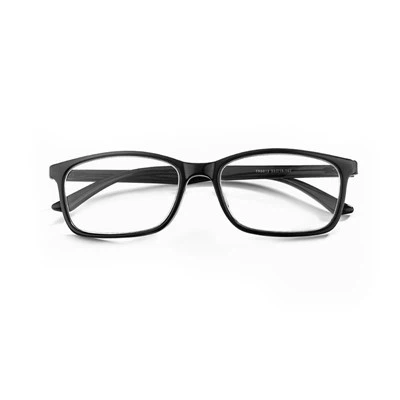
Hey there! As a supplier of plastic reading glasses, I often get asked about all sorts of things regarding our products. One question that pops up quite frequently is, "Do plastic reading glasses have a good resistance to chemicals?" Well, let's dive right into this topic and break it down.


First off, the term "plastic" in plastic reading glasses covers a wide range of polymers. Different types of plastics have different chemical properties, and that directly impacts their chemical resistance. Some common plastics used in reading glasses include polycarbonate, acrylic, and nylon.
Polycarbonate is a super popular choice for its high impact resistance. But what about chemicals? It's actually quite decent when it comes to resisting a lot of household chemicals. Stuff like mild soaps, water - based cleaners, and a bit of sweat won't really do much damage to polycarbonate lenses or frames. However, it's not invincible. Exposure to strong solvents like acetone or certain types of paint thinners can cause the polycarbonate to crack, warp, or lose its optical clarity. So, if you work in an environment where you're around these harsh chemicals, you might want to be extra careful.
Acrylic, on the other hand, is known for its clarity and lightweight nature. It's also relatively resistant to many common chemicals. It can handle a bit of exposure to alcohol - based cleaners, which is great for keeping your glasses clean. But again, like polycarbonate, it has its limits. Strong acids or alkalis can etch the surface of acrylic, making it look cloudy and reducing the quality of your vision through the lenses.
Nylon frames are also used in plastic reading glasses. Nylon has good resistance to many chemicals found in everyday settings. It can withstand the occasional splash of cooking oil, detergent, or even some cosmetics. But if it's constantly exposed to harsh industrial chemicals, it may start to degrade over time.
Now, let's talk about how this affects the durability and lifespan of your plastic reading glasses. If you're using your glasses in a normal, clean environment - like at home, in the office, or at the grocery store - the chances of them being exposed to harmful chemicals are pretty low. In these cases, plastic reading glasses can last for a long time without any significant chemical - related damage.
But if you're in a profession where you're around chemicals on a daily basis, such as in a laboratory, a manufacturing plant, or a beauty salon, it's a different story. You need to take extra precautions. One way is to wear protective goggles over your reading glasses when you're in contact with chemicals. This not only protects your eyes from direct chemical splashes but also shields your reading glasses from potential damage.
Another important factor is how you clean your plastic reading glasses. Using the wrong cleaning agents can be just as bad as exposure to harsh chemicals in the environment. Always use a mild, non - abrasive cleaner specifically designed for glasses. Avoid using paper towels or rough cloths to clean them, as these can scratch the surface and make them more vulnerable to chemical damage.
Now, let me tell you about some of the great plastic reading glasses we offer. We have Plastic Half Frame Reading Glasses, which are stylish and practical. They give you the support you need for reading while still being light on your face. Our Plastic Rimless Reading Glasses are perfect for those who prefer a more minimalist look. And if you're looking for something really easy to wear all day long, our Lightweight Plastic Reading Glasses are a great choice.
The chemical resistance of these glasses has been carefully considered during the manufacturing process. We use high - quality plastics that offer good protection against a wide range of common chemicals. But remember, even with our quality products, it's still important to take care of your glasses as I mentioned earlier.
If you're in the market for plastic reading glasses, whether you need them for normal use or in a more chemically - exposed environment, we're here to help. We can offer you expert advice on which type of glasses would be best suited for your needs. Our team has years of experience in the industry and can answer all your questions about chemical resistance, maintenance, and more.
So, if you're interested in placing an order or just want to have a chat about our plastic reading glasses, don't hesitate to reach out. We're looking forward to working with you and helping you find the perfect pair of reading glasses.
References
- "Polymers for Optical Applications" - A technical guide on the properties of plastics used in optical devices.
- "Eye Protection in Chemical Environments" - Research on the importance of protecting eyewear from chemical damage.
- "Cleaning and Maintenance of Plastic Lenses" - Guidelines on proper care and cleaning of plastic optical products.