Do Rimless Metal Sunglasses Have a Wide Field of Vision?
As a supplier of Rimless Metal Sunglasses, I am often asked about the field of vision these sunglasses offer. Rimless metal sunglasses have become increasingly popular in recent years due to their sleek and modern design. But does this stylish look come at the cost of a restricted field of vision? Let's delve into this topic and explore the science behind it.
Understanding the Concept of Field of Vision
Before we discuss whether rimless metal sunglasses have a wide field of vision, it's important to understand what field of vision means. The field of vision refers to the total area that can be seen when the eyes are fixed in one position. It includes both the central vision, which is the area directly in front of the eyes, and the peripheral vision, which is the area to the sides.
A wide field of vision is crucial for various activities, such as driving, sports, and everyday navigation. It allows us to detect objects and movements in our surroundings, enhancing our safety and awareness.
The Design of Rimless Metal Sunglasses
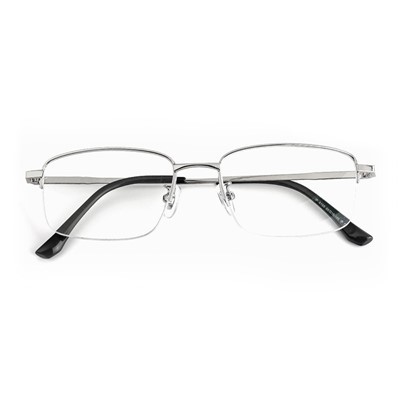
Rimless metal sunglasses are characterized by their lack of a traditional frame around the lenses. Instead, the lenses are held in place by thin metal frames or screws at the temples and nose bridge. This design gives the sunglasses a minimalist and lightweight appearance, making them a popular choice for those who prefer a more subtle look.
One of the main advantages of rimless metal sunglasses is that they provide a more unobstructed view compared to sunglasses with full frames. Since there is no frame around the lenses, there are fewer visual barriers, allowing for a wider field of vision. This can be particularly beneficial for activities that require a broad view, such as cycling, skiing, or driving.
Scientific Evidence
Several studies have been conducted to compare the field of vision of different types of sunglasses. While the results may vary depending on the specific design and fit of the sunglasses, overall, rimless metal sunglasses tend to offer a wider field of vision compared to sunglasses with full frames.
A study published in the Journal of Optometry found that participants wearing rimless sunglasses had a significantly wider horizontal field of vision compared to those wearing full-frame sunglasses. The researchers attributed this to the lack of a frame around the lenses, which reduced visual obstructions.
Another study conducted by the University of California, Berkeley, compared the field of vision of different types of sunglasses in a simulated driving environment. The results showed that participants wearing rimless metal sunglasses had a wider field of vision and were able to detect objects and hazards more quickly compared to those wearing full-frame sunglasses.


Factors Affecting the Field of Vision
While rimless metal sunglasses generally offer a wider field of vision, there are several factors that can affect the actual field of vision experienced by the wearer. These factors include:
- Lens Size and Shape: The size and shape of the lenses can have a significant impact on the field of vision. Larger lenses generally provide a wider field of vision, while smaller lenses may limit the peripheral vision. Additionally, the shape of the lenses can affect the way light enters the eyes and the overall visual experience.
- Fit and Adjustment: Proper fit and adjustment are crucial for ensuring a wide field of vision. If the sunglasses are too loose or too tight, they may not sit correctly on the face, causing the lenses to be misaligned and reducing the field of vision. It's important to choose sunglasses that fit well and can be adjusted to ensure a comfortable and secure fit.
- Prescription Lenses: If you require prescription lenses, the type of prescription and the design of the lenses can also affect the field of vision. Some prescription lenses may have a thicker edge or a different curvature, which can limit the peripheral vision. It's important to work with an optometrist to choose the right prescription lenses that provide a wide field of vision.
Other Benefits of Rimless Metal Sunglasses
In addition to providing a wide field of vision, rimless metal sunglasses offer several other benefits. These include:
- Lightweight and Comfortable: Rimless metal sunglasses are typically lightweight and comfortable to wear, making them ideal for extended periods of use. The lack of a heavy frame reduces the pressure on the nose and ears, making them more comfortable for all-day wear.
- Stylish and Versatile: Rimless metal sunglasses have a sleek and modern design that can complement any outfit. They are available in a variety of styles and colors, allowing you to choose the perfect pair to suit your personal style.
- Durable and Long-Lasting: Metal frames are generally more durable and long-lasting compared to plastic frames. They are less likely to break or bend, making them a great investment for those who want a pair of sunglasses that will last for years.
Conclusion
In conclusion, rimless metal sunglasses do have a wide field of vision compared to sunglasses with full frames. The lack of a frame around the lenses reduces visual obstructions, allowing for a more unobstructed view. However, the actual field of vision experienced by the wearer can be affected by several factors, such as lens size and shape, fit and adjustment, and prescription lenses.
If you're looking for a pair of sunglasses that offer a wide field of vision, as well as style, comfort, and durability, rimless metal sunglasses are a great choice. At our company, we offer a wide range of Rimless Metal Sunglasses to suit your needs and preferences. We also offer Gun Metal Sunglasses and Thin Metal Sunglasses for those who prefer a different style.
If you're interested in purchasing our rimless metal sunglasses or have any questions, please don't hesitate to contact us. We look forward to working with you and helping you find the perfect pair of sunglasses for your needs.
References
- Journal of Optometry study on field of vision of rimless sunglasses
- University of California, Berkeley study on field of vision in a driving environment